
Brake Repair When Squeaking Or Longer Stopping Distances Become Noticeable
Recognizing the Signs: How to Know When Your Brakes Need Immediate Attention
When you hear a squeaking noise or notice your car taking longer to stop, it’s more than just an inconvenience; it’s a signal that your vehicle needs immediate attention. These symptoms can often point to issues that might escalate if ignored, making brake repair essential for both your safety and your car’s longevity. The brakes are one of the most critical components of your vehicle, and understanding the signs can save you from costly repairs and keep you safer on the road.
Squeaking brakes typically mean that the brake pads are worn out and need replacing. The friction material on the pads wears down over time, and once they become too thin, they can start to make noise. If you hear this sound, it’s crucial to act quickly. Ignoring it could lead to more severe damage to your rotors and other brake components. On the flip side, if you find yourself pressing the brake pedal harder than usual or experiencing a longer stopping distance, this could indicate a problem with your brake fluid or the brake lines themselves. Low brake fluid can result from leaks, while air in the brake lines can lead to a spongy pedal feel.
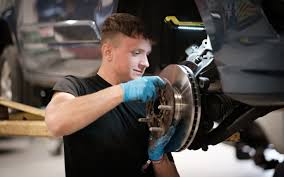
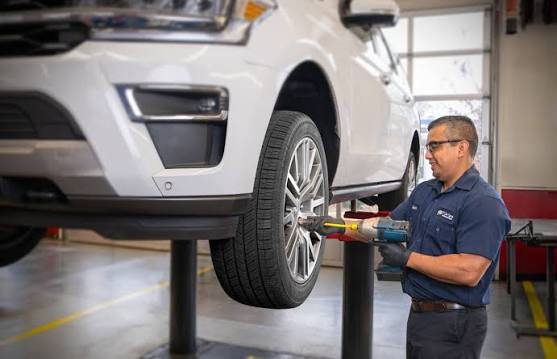
To address these issues, you might consider performing a visual inspection. Check for any visible wear on the brake pads and look for fluid leaks underneath your vehicle. If you’re comfortable, you can even remove the wheel to get a closer look. However, if you’re uncertain or not mechanically inclined, it’s best to consult a professional. A qualified technician can perform a thorough inspection, pinpoint the exact cause of the problem, and recommend the appropriate brake repair services.
Regular maintenance is vital in preventing issues before they arise. Schedule periodic brake inspections even if you’re not experiencing any obvious problems; this proactive approach can save you from future headaches. If you’re hearing noises or noticing changes in your braking performance, don’t overlook these warning signs. The longer you wait, the more expensive the repair could become, and your safety is always the top priority.
In summary, if your vehicle is making unusual sounds or not stopping as it should, it’s time to take action. Prioritize your brake repair needs to ensure that your car remains safe and reliable on the road. Your peace of mind is worth it, and addressing these concerns promptly can prevent more significant issues down the line.








 The Baja Kajak Festival is a thrilling celebration of kayaking, nature, and community spirit. Held in breathtaking coastal locations, this festival attracts adventure lovers, professional paddlers, and travel enthusiasts from around the world. Whether you’re a beginner or an experienced kayaker, this event offers an unforgettable experience filled with excitement and discovery.
 The Baja Kajak Festival is more than just kayaking. It features a wide range of activities designed for all skill levels: