Sticky

Ensuring Your Vehicle Is Ready for Its Next Chapter: A Guide to Auto Repair

Returning a leased vehicle or preparing for a trade-in can be a nerve-wracking experience, but it doesn’t have to be. Whether you’re excited to upgrade to a new model or simply looking to shift gears, understanding the necessary auto repair can streamline the process and save you money. Before you hand over the keys, take a moment to assess the condition of your vehicle. Most leasing agreements come with specific requirements regarding wear and tear, and failing to adhere to these can result in costly penalties.

Start by performing a thorough inspection. Look for any dents, scratches, or signs of damage that might not meet the leasing company’s standards. If you notice any issues, it might be worth investing in some auto repair. Small repairs, like fixing scratches or replacing a cracked headlight, can make a significant difference in how your vehicle is perceived and valued. Additionally, consider getting a professional inspection to identify any underlying issues you may have overlooked.
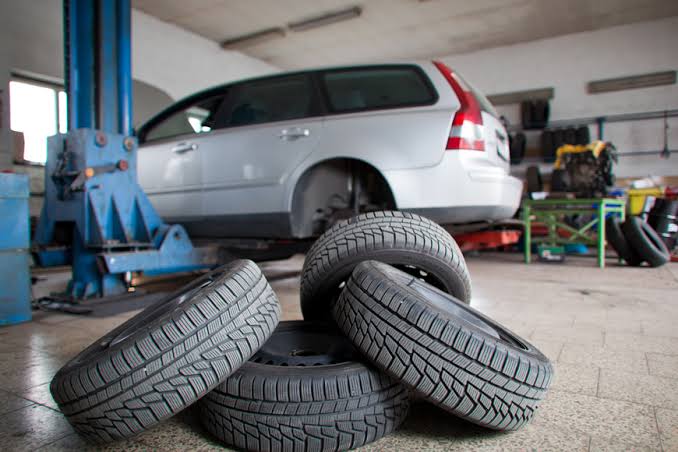
Auto Repair

Next, focus on the essential maintenance tasks that could affect your vehicle’s performance. Check the oil level, tire pressure, and fluid levels. If it’s been a while since your last oil change, now is the time to take care of it. Not only will this help your vehicle run smoothly, but it also demonstrates to potential buyers or leasing agents that you’ve been diligent about maintenance. Cleanliness also plays a vital role; a thorough detailing can elevate your car’s appearance and give it that “new car” feel, even if it’s a few years old.

When it comes to trade-ins, it’s important to do your research. Understand the current market value of your vehicle to negotiate effectively. Online tools can help you gauge what similar cars are selling for, allowing you to set realistic expectations. If you’ve made necessary auto repairs, be sure to highlight these during negotiations. A well-maintained vehicle can often fetch a better price, so don’t hesitate to showcase its strengths.

Ultimately, taking the time to address any necessary auto repair not only prepares your vehicle for return or trade-in but also ensures that you get the best deal possible. With a little effort and attention to detail, you can make this transition smooth and beneficial for your next automotive adventure.

Sticky

When Your Car Suddenly Fails: What Smart Drivers Do Next

If you have ever been in the middle of a normal drive and felt something shift under the hood, you already know how quickly confidence can turn into concern. One moment everything sounds fine, and the next there is a strange noise, a warning light, or a sudden loss of power that makes every mile feel uncertain. Unexpected engine problems rarely give a polite warning in advance, which is why knowing how to respond makes all the difference between a manageable situation and a costly one. Professional Auto Repair services keep vehicles running safely and efficiently throughout the year.

What often catches drivers off guard is how subtle early signs can be. A slight vibration, delayed acceleration, or a faint knocking sound may not seem urgent at first, but these are often the first signals that something deeper is developing. Ignoring them tends to push a minor issue into something far more serious. Acting quickly, even when the symptoms seem small, can prevent larger damage and reduce the time your vehicle spends off the road.

Modern auto repair solutions have evolved to make diagnosing these problems faster and more precise than ever. Technicians now rely on advanced diagnostic tools that can read engine data in real time, identifying faults that would have taken much longer to uncover in the past. This means repairs are not just quicker, but also more targeted, avoiding unnecessary part replacements and focusing directly on the source of the issue. For drivers, that translates into better outcomes and often more predictable costs.

Auto Repair

Another important factor is choosing the right approach to repairs. Some engine issues may be resolved with straightforward fixes like replacing sensors or addressing fuel delivery problems, while others require deeper attention, such as internal engine work. The key is not just fixing what is broken, but understanding why it happened in the first place. Reliable repair solutions focus on long-term performance, helping prevent the same issue from returning weeks or months later.

There is also a growing awareness among drivers that maintenance habits play a major role in how often these unexpected problems appear. Regular oil changes, fluid checks, and timely inspections create a kind of safety net that keeps the engine running smoothly. While no system is completely immune to failure, consistent care reduces the likelihood of sudden breakdowns and extends the overall lifespan of the vehicle.

When an engine problem does appear without warning, the experience can feel frustrating, especially if it interrupts daily routines or important plans. Still, having access to dependable auto repair solutions brings a sense of control back into the situation. With the right response and professional support, what starts as an unexpected disruption can be resolved efficiently, allowing drivers to return to the road with confidence and peace of mind.